
Duck Production
The Duck Metric
Putting more ducks into every fall flight
Dating from our foundation in 1911, Delta Waterfowl is recognized as the organization that shaped waterfowl management in North America. Looking ahead, Delta's objective is to set the new standard that measures the success of any conservation effort—the number of ducks produced. This is the duck metric.
For more than 30 years, Delta has researched and refined two primary tools to achieve the duck metric. They are Predator Management and Hen Houses.
Predator Management
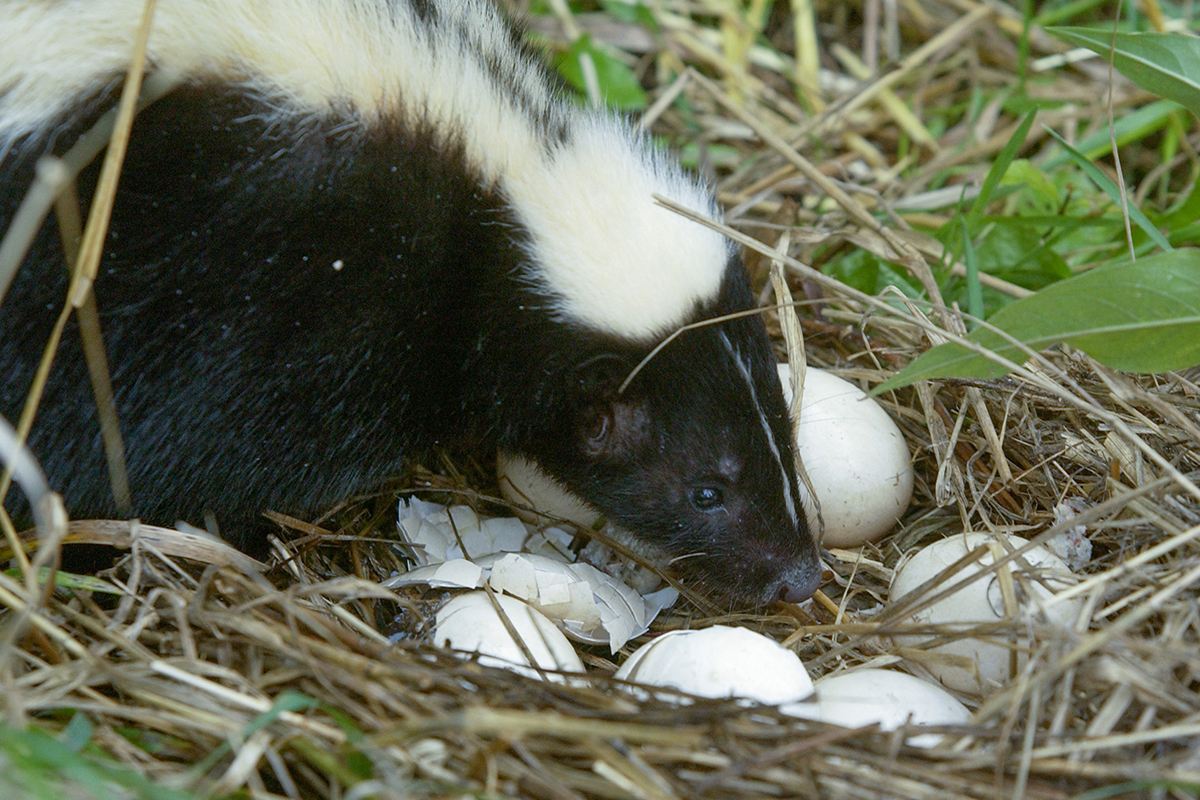
Delta uses targeted Predator Management to restore natural balance to prairie pothole region breeding habitat. The history of land use on the prairies has allowed major nest predators such as skunks and raccoons to proliferate. Delta's programs restore the balance in areas of highest duck nest density to produce more ducks.
Hen Houses
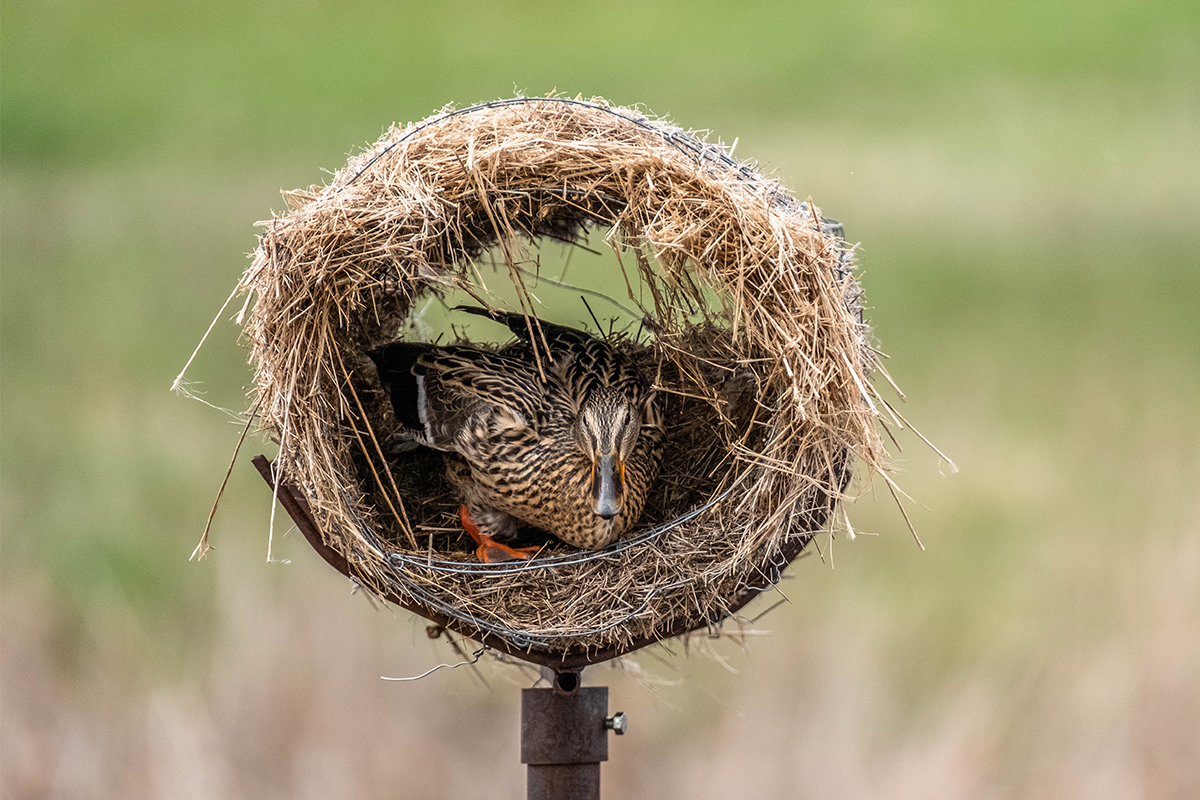
With more than 30 years of research and refinement, Delta has proven its Hen House nesting structures are the most effective and cost-efficient tool to increase mallard nest success in the prairie pothole region. A hen using a Hen House has up to 12 times better odds of a successful hatch over a hen nesting nearby in upland grass.
Stay Up To Date With Delta Waterfowl
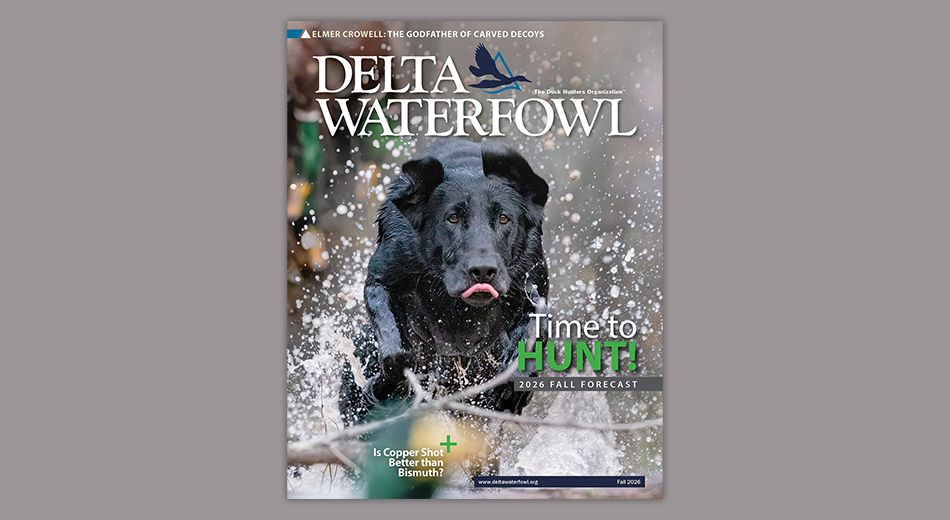
The Fall Issue of Delta Waterfowl Magazine is on the way...
9/24/2026
Our staff of expert scientists breaks down the duck survey, conditions in the duck factory, and what it means for hunters this fall.
Read more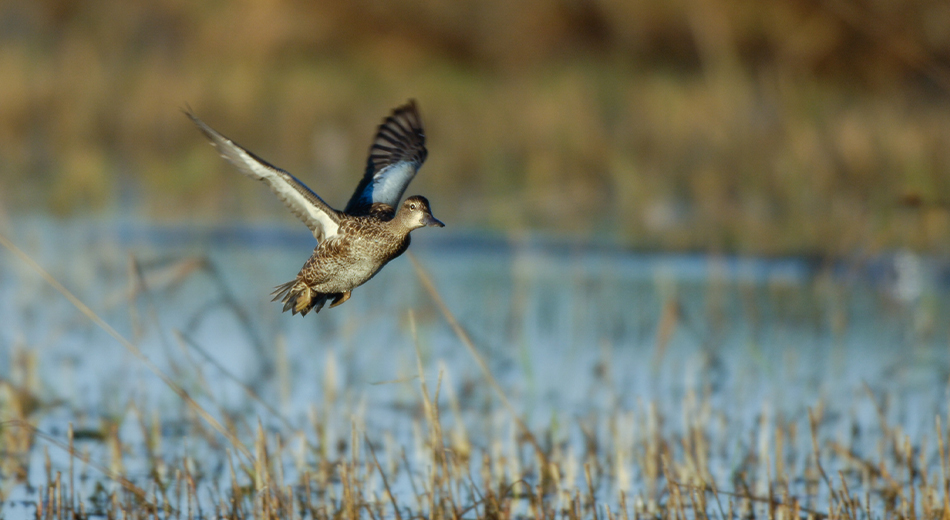
Final Hunt Fish Rule Published, Chapter-Funded Public Land Projects in the Mississippi Flyway, and Advocacy for Hunter Apprentice Licensing in Canadian Provinces
9/24/2026
Delta’s Policy Team has been on the road advocating for duck hunters across the United States and Canada
Read more
Delta Waterfowl Leaders Attend Presidential Signing on Reinvigorating America’s Hunting Heritage
9/18/2026
CEO Jason Tharpe on hand for the announcement of an executive order that directs agencies to increase hunting access, restore refuges, enhance habitat, and recruit hunters
Read more